Sahel Land Restoration: Study Tour
Background
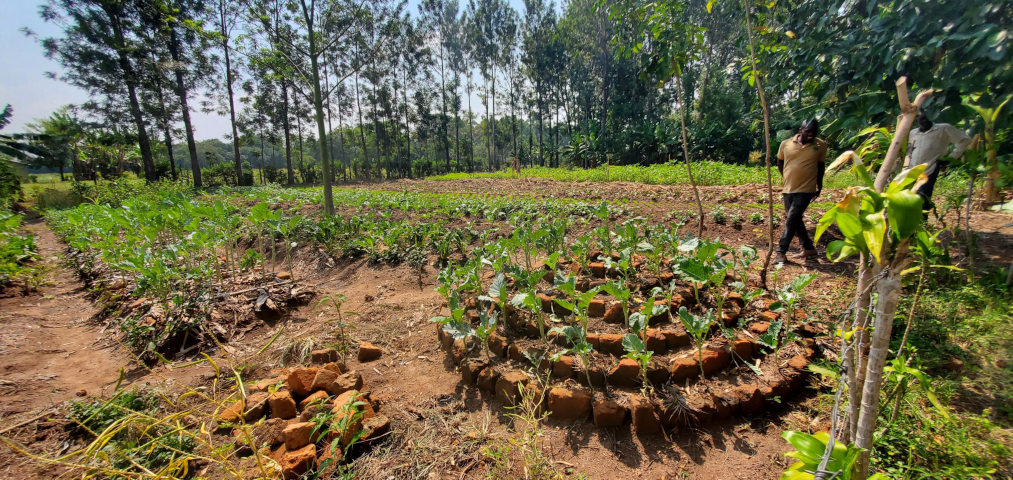
Countries in the Sahel currently face challenges such as land degradation, stagnant yields, and climate change impacts that threaten food security. The World Bank, through its Advisory Services and Analytics program, supports sustainable land management in these regions. The study trip in Kenya aimed to assess the implementation of Sustainable Agricultural Land Management (SALM) practices and evaluate the technical requirements for a carbon project. It demonstrated successful practices that were later shared with participants from Burkina Faso, Mali, Mauritania, and Niger. Unique was selected because we developed a robust monitoring reporting and verification application and trained local teams, strengthening the project's data collection and monitoring efforts.
Our contribution
- Facilitating the planning and effectuation of the study tour
- Training on carbon standards and SALM methodologies
- Showcased innovative digital tools for data collection and monitoring of SALM practices
- Provided technical support for enhanced project monitoring
Related projects
Explore projects related to this one.
- Related topic Transfer of the Soc & Salm Monitoring System The World Bank · Burkina Faso · 2018 The Kenya Agricultural Carbon Project has developed a robust and cost-effective carbon monitoring methodology outlining how to quantify emission … View project
- Related topic Agriculture Monitoring, Reporting and Verification The World Bank · Burkina Faso · 2021–2022 The largest share of Burkina Faso’s national greenhouse gas emissions occur in the agriculture, forestry and other land use sector. View project
- Related topic Grassland Carbon Project Development for the Limpopo Region Mozambique · 2024–2025 The region of Limpopo in Mozambique faces challenges in sustainable land management and, thus, the degradation of ecosystems. View project
- Related topic One Mara Carbon Project Certification Kenya · 2024–2027 The Greater Mara region faces significant land use management challenges, which impact local ecosystems and livelihoods. View project