Digital Detect - Early Bark Beetle Infestation Detection - Phase 1
Background
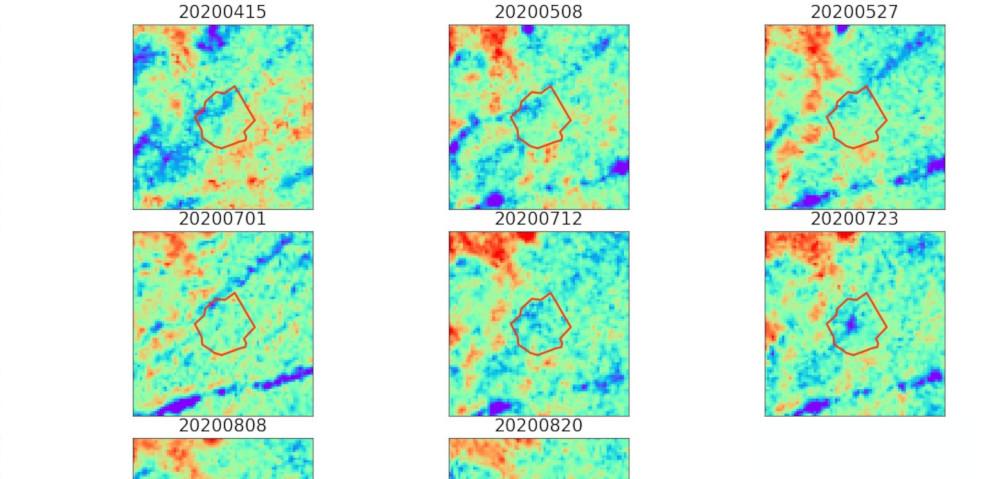
As a result of storms, extreme drought and high temperatures, Germany's forests are under severe threat from bark beetles. The current practice of tracking down infestation sites by means of search trips is time consuming and often comes too late to prevent the devaluation of affected stands. As an alternative to this practice, UNIQUE developed a new method for early infestation detection in pilot forestry operations on behalf of the Ministry of Rural Areas Baden-Württemberg. With the help of daily available satellite images and a semi-automatic data processing, infested sites were mapped in a 7 - 10 day rhythm. This made "guided search trips" for infestation detection possible. UNIQUE was responsible for the development and implementation of the infestation detection as well as the evaluation and validation in the field.
Our contribution
- Development of satellite image-based detections of vitality changes in coniferous forest patches
- Semi-automation of the detection processes
- Validation of the methods in practice by guided searches as ground truthing
- Provision of bark beetle damage information to forest owners at regular intervals
- Testing the scalability of the approach
Related projects
Explore projects related to this one.
- Related topic Digital Detect - Satellite Based Bark Beetle Infestation Detection - Phase 2 MLR · Germany · 2021–2023 Forests in Germany are under severe threat from bark beetles as a result of storms, extreme drought and high heat. View project
- Related topic Monitoring of Miombo Forests KVTC · Tanzania · 2013 Kilombero Valley Teak Company (KVTC), Tanzania, would like to continue with the Miombo forest monitoring inside and outside of their concession area. View project
- Same country Forest management plan for 2.500ha forest owned by German municipalities Forstzweckverband Ganerben · Germany · 2025–2026 Forest management planning is the central medium-term planning and management tool in Germany. View project
- Same country Leakage Effects in Current Forest Climate Standard Methodologies eva service GmbH · Germany · 2025 Forest climate projects can trigger leakage when harvesting activities shift geographically, or market effects move demand and supply to other regions. View project