Methodology to Measure CO₂ Mitigation Impacts Through Land Consolidation
Background
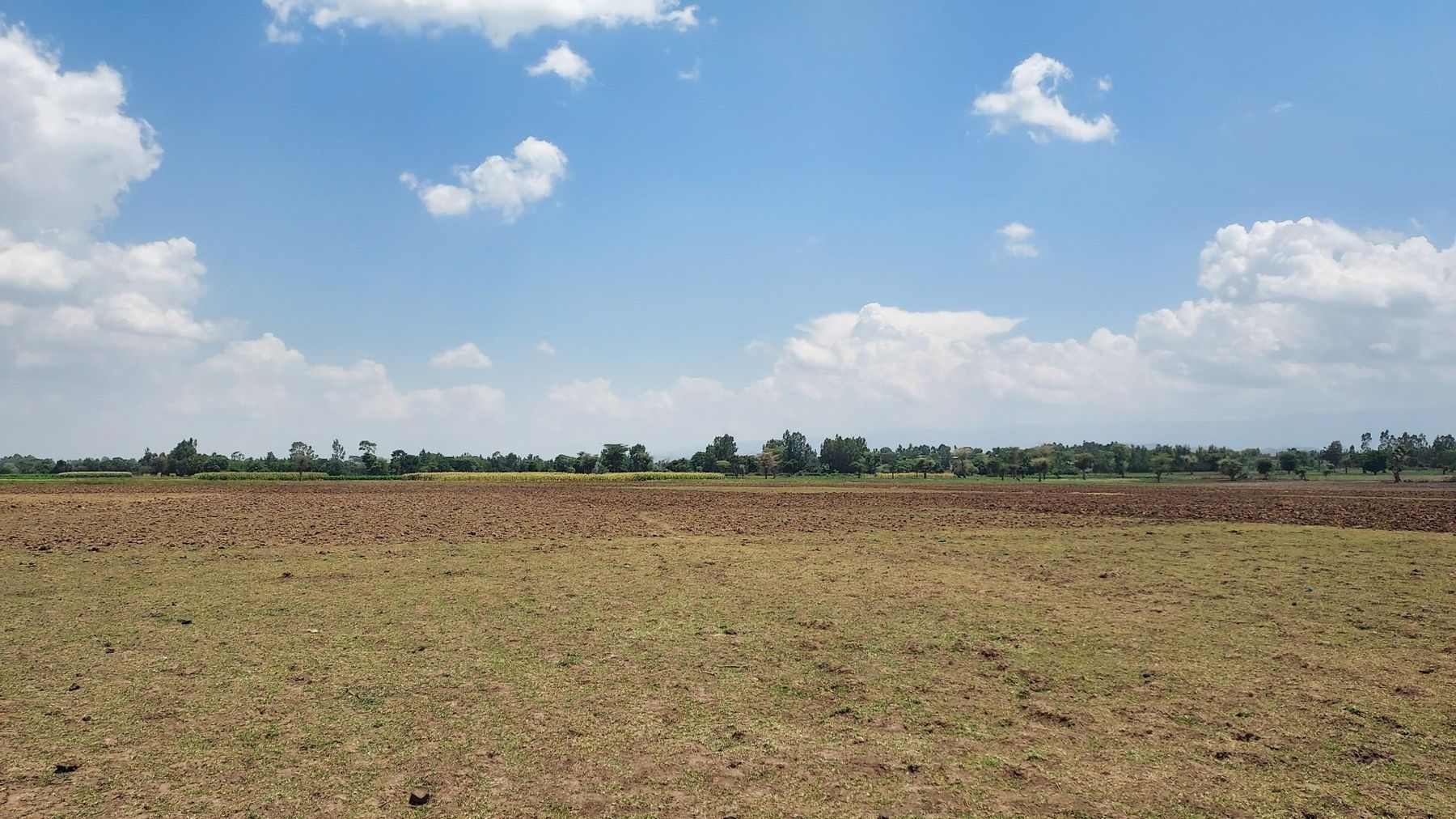
Land fragmentation hinders productivity and raises Greenhouse Gases (GHGs) emissions. Integrating CO₂ accounting into land consolidation is complex and context-dependent. GIZ supports Ethiopia’s Ministry of Agriculture and Regional State Land Bureaus under Land Governance II (LaGo II) to institutionalize land consolidation. The assignment supported GIZ in developing methodology guidelines to measure CO₂ mitigation impacts of land consolidation and align them with national GHG frameworks. Unique was selected because of its proven Agriculture, Forestry, and Other Land Uses (AFOLU) expertise which positioned us to deliver fit-for-purpose scalable guidance.
Our contribution
- Definition of assessment boundaries, criteria, and indicators
- Design and refinement of scalable methodology guidelines
Related projects
Explore projects related to this one.
- Related topic Livestock Carbon Monitoring U.S. Forest service · Ethiopia · 2020–2021 The World Bank Bio-Carbon Fund Initiative for Sustainable Forest Landscapes (ISFL) supports the Oromia Forested Landscape Program (OFLP), which primarily … View project
- Related topic Testing of GHG Tools in Agro-Silvo-Pastoral Techniques in Namibia GIZ · Namibia · 2017 Over half of Namibia’s estimated 2.1 million inhabitants live in the northern part of the country and depend mostly on rain-fed agriculture. View project
- Related topic Agriculture, Forestry and Other Land Use Sector GIZ · Kyrgyzstan · 2020–2021 Kyrgyzstan’s Agriculture, Forestry and Other Land Use (AFOLU) sector offers great potential for raising the ambition of the Nationally Determined … View project
- Related topic White Paper on MRV for Livestock GHG Emissions CCAFS · Worldwide · 2016–2017 Greenhouse gas (GHG) emissions from livestock have been increasing as a proportion of total agricultural emissions in developing countries. View project
Looking for more? Browse the full reference list. Ethiopia30 projects Climate245 projects